Cold-Weather Stays at Ohio State Parks: Cabins, Heat, Fewer Sites
A winter trip to an Ohio State Park can mean a quiet cabin stay—or a campground visit with fewer open sites and services than you expect. The key is matching your shelter to the weather, checking what remains available, and planning around cold, short days. Here’s how to make those choices before you pack and head out.
What Changes During a Cold-Weather Stay
Cold-weather camping is not simply a summer trip with warmer clothes. Lower temperatures affect what feels comfortable outside, how much time you want to spend in camp, and which campground services you can count on. A stay that works well in mild weather may need a different plan when water access, restrooms, or shower facilities are limited.
According to the Ohio Department of Natural Resources, most Ohio State Park campgrounds reduce the number of available sites and amenities from November through March. That does not mean every park closes, or that every service changes in the same way. It does mean you should confirm the details for the campground and dates you have in mind rather than rely on what was available during a summer visit.
The change can affect the basics: which sites can be booked, where you can get water, and whether a shower house is open. A campground map or reservation listing may show the layout, but it may not answer every seasonal question. Check the park’s current official information for open facilities and contact details, and confirm anything important before setting out.
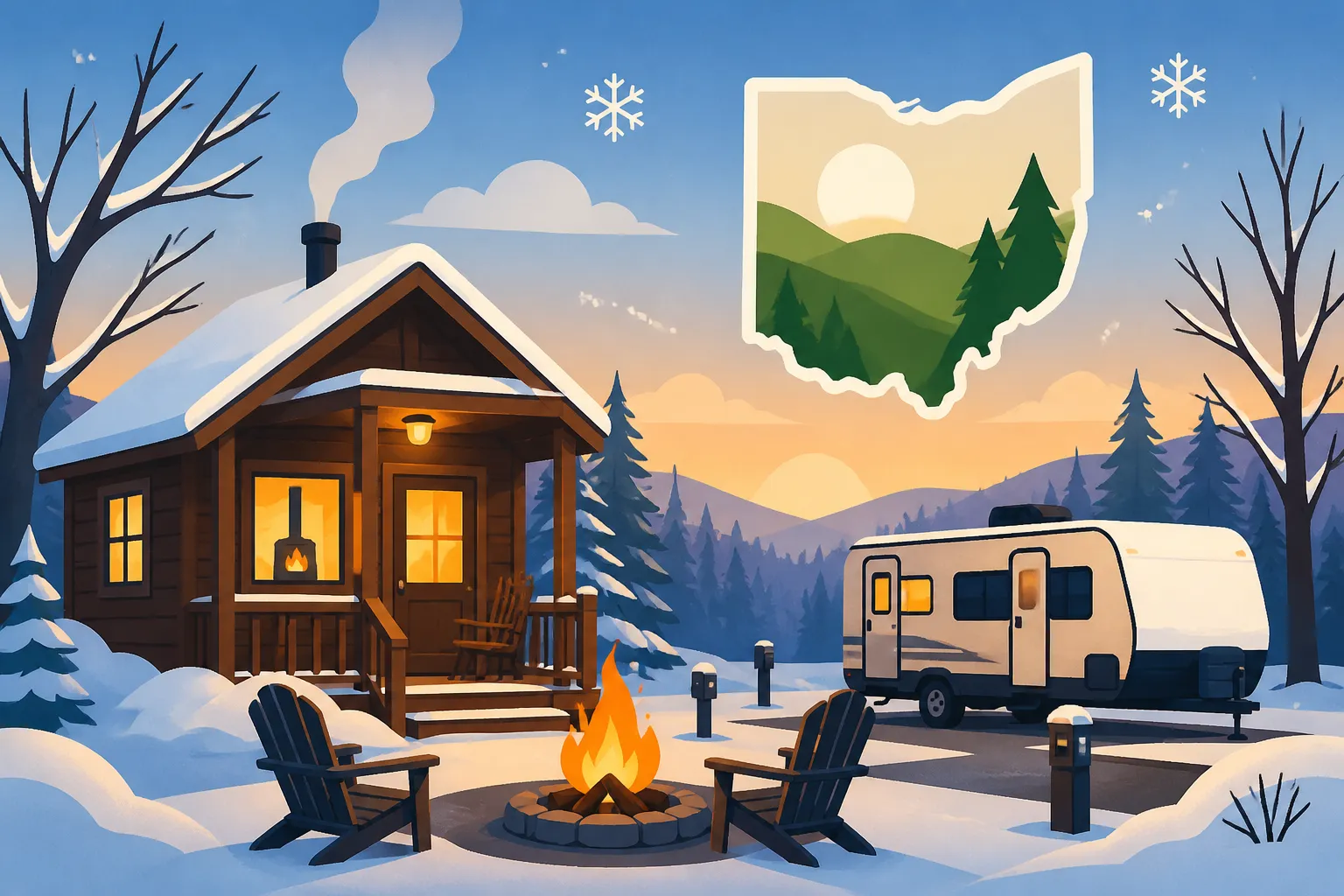
There are also comfort differences between a cabin and a campsite. A cabin gives you a sheltered place to sleep and get out of the wind. A tent or RV site may offer more of a traditional camping experience, but it asks you to manage the cold with your own shelter, bedding, clothing, and equipment. Neither choice is automatically better. The right fit depends on your experience, the forecast, and how much of the trip you want to spend outdoors.
For a broader look at what changes when park services thin out, see Visiting Ohio State Parks in Winter, When Services Thin Out. If your plan is specifically to sleep outdoors, Winter Camping at Ohio State Parks: Which Campgrounds Stay Open can help you focus on campground availability and seasonal access.
The first practical decision is not what to pack. It is where you will sleep, what facilities you need, and which parts of the trip would become difficult if a service is unavailable.
Cabins, Sherman Cabins, and Campsites: Choosing Shelter
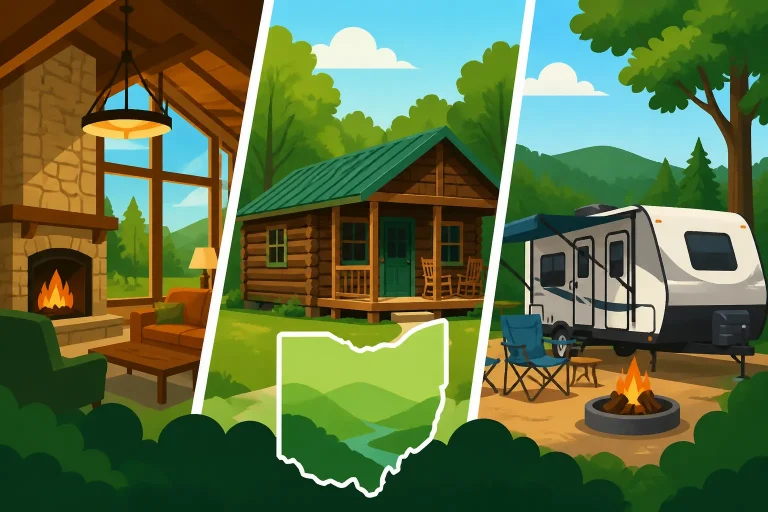
A cabin is often the most straightforward option for a cold-weather visit because it provides an enclosed place to rest, warm up, and store gear. According to the Ohio Department of Natural Resources, an Ohio State Park cabin is available year-round and accommodates up to six people. That system-wide statement is a useful starting point, not a substitute for checking a particular rental’s listing: cabins differ, and the details for the one you choose matter.
Ohio Department of Natural Resources lists Heat and air conditioning for Sherman Cabins. Still, do not assume every rental has the same heating arrangement or amenities. Check the listing for the specific property and ask the park about anything that is unclear, especially if dependable indoor warmth is central to your plan.
| Stay type | Cold-weather advantages | Questions to settle before booking |
|---|---|---|
| Cabin | Enclosed shelter and a place to return to between outdoor activities | What kind of heat is listed? What bedding, cookware, and other supplies are provided? |
| Sherman Cabin | A rustic cabin-style stay; Sherman Cabins have heat and air conditioning | What furnishings and services does this particular cabin have? Where are the restroom and water facilities? |
| Tent campsite | A traditional outdoor stay with your own shelter and gear | Is the site available for your dates? What campground facilities remain open? |
| RV campsite | Shelter in your own vehicle, with site features varying by listing | Does the site match your RV and power needs? What services are operating in the cold season? |
What to check in a cabin listing
Start with the source of heat and what the listing says about it. A heated space can make a cold trip more comfortable, but the word “cabin” alone does not tell you what to expect. Confirm the type of accommodation, what furnishings are included, and whether you need to bring bedding or kitchen supplies. The details are specific to each rental, so compare the full listings rather than choosing by name alone.
If you are considering a rustic stay, read Do Ohio’s Rustic Park Cabins Have Heat and Air Conditioning? and What Is a Sherman Cabin? Ohio’s Rustic Rentals for Campers Explained. These topics help set expectations about cabin style and features, while the individual listing remains the place to check the particulars of a rental.
Do not plan around an amenity you have not confirmed. For example, if your comfort depends on cooking indoors, storing food in a refrigerator, or having a private bathroom, check the specific cabin’s listed features before you book. If you need accessibility features, check those details directly as well. A general cabin description cannot confirm that a particular unit meets your needs.
When a campsite may still be the right choice
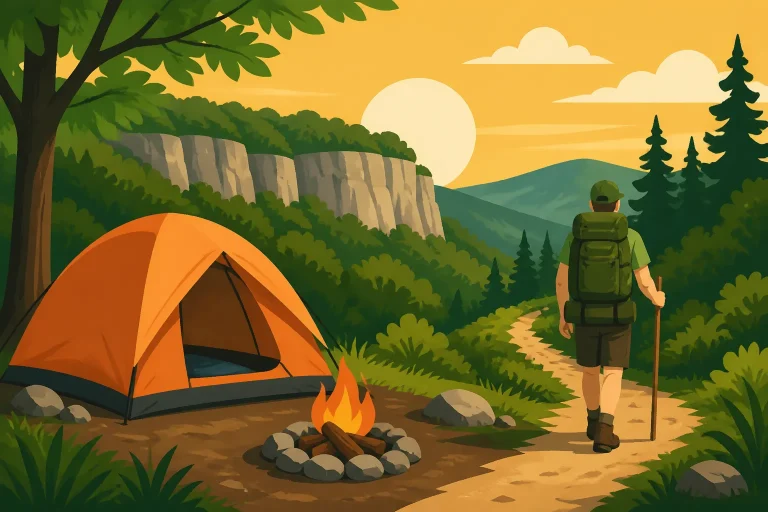
A tent or RV stay can suit campers who already have equipment for cold conditions and want to spend much of the trip outside. It may also be the better option if the particular campground offers the site type you need and the seasonal facilities work for your plans. But a campsite is not a cabin substitute by default. Your sleeping system, power needs, and tolerance for cold all matter.
For an RV, review the site listing for the hookup type and fit. Do not assume that the amenities available at a campground in warmer weather remain available during your dates. Tent campers should be equally careful: confirm the location of open restrooms and water, and bring the supplies needed if those services are farther from the site than expected.
A mixed trip can also work: some people in a party may prefer a cabin, while others want a campsite. Before planning that arrangement, check whether the chosen rentals and sites are actually available for the same dates and whether they are close enough for your group’s needs. The reservation listing and park information should guide the decision.
Fewer Open Sites and Seasonal Facilities
The campground experience can change even when a park remains a viable destination. Fewer available sites can limit your choice of location or site type, while seasonal changes to amenities can affect everyday routines. A booking page may show what you can reserve, but you should also check which facilities are open and what visitors are expected to use.
Make a short list of the services you consider essential. For one camper, an open restroom may be enough. Another may need a shower, potable water access, or an electric hookup. Treat those as separate questions: a campground may have an open site while a particular facility is closed, or a facility may be open in one area but not another.
According to the Ohio Department of Natural Resources, during the off-peak season, Shower House in Loop A is heated and offers bathrooms and an outdoor water spigot. This is a specific seasonal detail, not a promise that every campground has a heated shower house or that Loop A is open at every park. Verify the relevant campground’s current information before relying on a facility.
For more help checking bathing facilities, see Heated Shower Houses That Stay Open in Ohio’s Off-Season. For water access questions, Winter Water at Ohio State Park Campgrounds: Spigots and Shower Houses can help you identify what to ask about.
Confirm the details that affect your routine
Before you leave, check the official information for:
- Which campsites or rentals are available for your dates.
- Which restrooms, shower houses, and water sources are open.
- Whether the site has the electrical service or other hookups your equipment requires.
- Where open facilities are in relation to your site or rental.
- Whether any park areas or services have temporary closures or changes.
Ask about the specifics that are not clear online. If you need a particular facility, say exactly what it is and ask whether it is open during your stay. “Are the restrooms open?” is more useful than asking whether the campground is open. If you need water for drinking, cooking, or an RV tank, clarify what kind of water access is available and whether it is suitable for that purpose.
It is sensible to confirm again close to departure. Seasonal services can change, and a listing viewed well in advance may not reflect a temporary closure or repair. Use the official park information for current status and contact details rather than relying on old trip reports or assumptions based on another park.
Plan for fewer choices, not just fewer services
Reduced site availability can matter even if you do not need many amenities. You may have fewer site types to choose from, and the site that suits your tent, RV, or group may not be available. Check the exact site listing and do not assume a nearby site will have the same features.
If your dates are flexible, consider looking at more than one park or accommodation type. That gives you a fallback if your preferred campground or cabin is unavailable. If your dates are fixed, decide which features are essential and which are optional before searching. For example, you might decide that indoor heat is essential but a particular view is not, or that electric service matters more than proximity to a shower house.
The goal is to avoid booking a stay that depends on an unconfirmed service. A little checking up front can prevent a cold arrival from turning into a scramble to find a restroom, water source, or suitable site.
Preparing for Cold Weather at Camp
The weather forecast should shape your packing and activity plan, but it is only one part of preparation. Think about the conditions you may encounter while setting up, walking between facilities, or spending time outdoors. Cold, damp clothing can become uncomfortable quickly, so bring layers that work together and keep dry items protected.
For a cabin stay, check what the rental provides before deciding what to pack. A heated cabin does not necessarily include the bedding, cookware, or personal items you expect. A useful packing plan starts with the listing, then adds the things you need for the outdoor portion of the trip: warm clothing, suitable footwear, rain protection, and a way to keep frequently used items organized.
For a tent or RV stay, inspect your shelter and equipment before departure. Check that your tent, sleeping system, and clothing suit the expected conditions. For an RV, make sure you understand how the booked site’s services match your vehicle and how you will handle the cold if a hookup or water source is unavailable. Do not treat equipment you have not tested as a dependable backup.
A practical approach is to pack by task rather than by category:
- Sleeping: Bring bedding appropriate to the forecast and your shelter. Make sure everyone has what they need to stay warm overnight.
- Clothing: Use layers that can be adjusted as conditions change. Keep spare dry clothing accessible rather than buried under other gear.
- Walking around camp: Choose footwear and outer layers for wet, cold, or muddy conditions, not just for sitting indoors.
- Food and drinks: Plan meals that suit the facilities you have confirmed. Do not rely on a cooking method or storage feature that the site or rental does not provide.
- Lighting and organization: Keep essential items easy to find, particularly if you arrive near dusk or need to make a trip to a shared facility.
- Comfort breaks: Know where the open restrooms and water sources are before you settle in. That information matters more when it is cold or dark.
For a cabin-specific checklist, Cabin Weekend Packing List for an Ohio State Park Stay can help you think through what to bring and what to verify first.
Adjust the trip to the conditions
Cold-weather trips are often more comfortable when you keep outdoor plans flexible. Choose activities that can be shortened or moved if the weather turns unpleasant. Build in time to return to your shelter, change out of damp clothes, or warm up. A plan that requires long stretches outside may not feel enjoyable in poor conditions, even if it looked manageable when you made it.
Think about daylight and arrival timing as well. Try to arrive with enough time to find your site or rental, unload, and locate the facilities you will use. If you expect to arrive after dark, confirm how to reach the accommodation and what instructions the official reservation information provides. Do not assume that finding a site will be as easy in darkness, rain, or cold as it would be during the day.
For a campsite, keep setup simple. Organize gear so that essential items are reachable without unloading everything. At a cabin, identify the heating controls and review the property instructions when you arrive. If something does not work as expected, contact the park using current details from its official website.
Food, fire, and changing conditions
Choose meals that fit the confirmed cooking facilities and the time you want to spend outdoors. A cabin with a kitchen and a campsite with no hookups are very different setups, so avoid copying a meal plan from another kind of stay without checking what equipment is available. Keep food and cooking supplies organized so they are easy to use when temperatures drop.
Campfires and other outdoor burning require particular care because restrictions can change. Do not assume that a fire is allowed just because a fire ring is present or because another camper had a fire. Check the relevant official information before leaving and again when you arrive. Follow the park’s current instructions, and use a different cooking or warming plan if fire is restricted or the conditions make it unsafe.
Keep an eye on changing weather and park notices during the trip. If access, a facility, or a planned activity becomes unsafe or unavailable, adjust the plan. A flexible itinerary is not a failure; it is part of planning a responsible cold-weather visit.
Booking and Arrival: A Practical Planning Sequence
Cold-season planning is easier when you work from the most important constraint outward. Start with shelter and dates, then check facilities and equipment. That order helps you avoid spending time planning around a campsite or cabin that does not fit your needs.
- Decide what kind of shelter suits your group. Choose between a cabin, Sherman Cabin, tent site, or RV site based on how you handle cold, what equipment you have, and how much time you expect to spend outdoors.
- Check availability for your dates. Review the official booking information for the specific park and accommodation. If the preferred option is unavailable, compare alternatives instead of assuming a similar unit has the same features.
- Read the listing carefully. Confirm heating, sleeping arrangements, cooking features, hookups, and any other amenity that matters to your party. If a detail is not clear, ask the park before making plans that depend on it.
- Verify seasonal services. Check which restrooms, shower houses, water sources, and other facilities are operating during your stay. Confirm the location and type of access, not just whether a facility exists somewhere in the campground.
- Match your gear to the plan. Make sure your clothing, bedding, cooking setup, and power needs are suitable for the shelter and services you have confirmed.
- Check current conditions before travel. Review official park information for closures, facility changes, and fire restrictions before leaving, then check again when you arrive.
This is also the point to decide whether a cold-weather trip is a good fit for everyone going. Children, older adults, or anyone with particular comfort or mobility needs may require more planning around warmth, restroom access, or walking distances. Do not assume a facility is close or accessible without confirming it for the specific park and accommodation.
Compare the real cost of convenience
A cabin may reduce the amount of cold-weather equipment you need, but do not assume it eliminates every preparation task. You may still need bedding, food supplies, outdoor clothing, and personal items. A campsite may be a better fit for a well-equipped group, but it can require more gear and more attention to available facilities.
Compare the total effort as well as the booking options. Ask how much setup each option requires, what you need to bring, and whether the accommodation’s features remove a problem that would otherwise make the trip uncomfortable. Someone who already owns suitable camping gear may prefer a site. Someone who wants a sheltered base and less outdoor setup may value a cabin. The best choice is personal; it is not simply the option with the most amenities.
For seasonal cabin availability across specific parks, Year-Round Cabin Rentals at Buck Creek, Cowan Lake, Dillon, Pike, Pymatuning offers a more focused comparison. To see how rental options can change with the season, read What Rentals Close for the Season at Ohio State Parks?.
Make an arrival plan
Before leaving home, save or print the information you need to reach the accommodation and understand its check-in instructions. Keep the park’s official contact details available from its website in case you need help. Do not rely on a saved screenshot alone if conditions, access instructions, or facility status may have changed.
On arrival, take a moment to orient yourself. Locate the restroom, water source, and other facilities you confirmed. Check the shelter and site against the listing, and raise concerns promptly with park staff rather than waiting until the problem affects the rest of the stay. If the facility you expected is closed, ask what alternative the park recommends.
When conditions are poor, unload and set up the essentials first. Prioritize warm layers, bedding, lighting, and the items needed to settle in safely. Leave nonessential unpacking until you are comfortable and can see what the weather is doing.
Choosing a Cold-Weather Trip That Fits Your Group
A good winter outing does not need to be ambitious. A short visit with a warm base and a few outdoor activities may be more enjoyable than a packed schedule that depends on perfect weather. Start by asking what each person wants from the stay: quiet time, a night outdoors, a cabin break, or access to a particular park activity. Then choose a shelter and itinerary that support those priorities.
For people new to winter camping
If your group has little experience camping in cold conditions, a cabin can make it easier to try a park visit without relying on a tent or RV setup for warmth. It still calls for preparation, and the listing should be checked carefully, but it gives you an indoor place to return to. A shorter stay can also be a useful way to see how everyone handles the conditions before planning a longer outing.
If you choose a campsite instead, be conservative about what you expect to manage. Make sure your equipment is suited to the forecast, know where the open facilities are, and have a backup plan if someone becomes too cold or the weather shifts. A reservation is not a substitute for suitable gear.
For families and mixed-age groups
Families may need to think beyond sleeping arrangements. Consider how far people will have to walk to use facilities, how easily you can keep clothing dry, and what children can do if they spend less time outside than expected. A cabin can offer a convenient place to regroup, while a campsite may give children more room to participate in setting up and outdoor routines. The choice depends on the group and the available facilities.
With mixed-age parties, ask everyone about their comfort needs before you book. One person may be comfortable with a rustic cabin while another expects indoor plumbing or a fully equipped kitchen. Confirm those features directly rather than assuming everyone understands what the listing means.
For an RV trip
An RV can provide shelter from the weather, but it does not guarantee that the campground offers the hookups or services your setup needs. Check the individual site listing and confirm the seasonal status of water and other facilities. If your trip depends on electricity for equipment, make sure the site’s listed service matches that need and understand what you will do if power is unavailable.
Also consider the route and arrival conditions. Wet or cold weather can make setup more demanding, and a site that fits your vehicle on paper may still require careful maneuvering. Review the site details and ask the park about uncertainties before you travel.
For a quiet cabin break
A cold-season cabin stay can be a good match for people who want a change of scenery without spending the whole visit outdoors. Plan simple meals, bring comfortable indoor layers, and choose a few activities that remain appealing if the weather is unpleasant. Leave room in the schedule for rest rather than assuming every hour needs an outing.
The main trade-off is that cabin names and general descriptions do not tell you everything about the individual unit. Verify heat, sleeping arrangements, kitchen features, bathroom setup, and any other must-have detail. A little comparison is more useful than relying on assumptions about what “cabin” normally means.
Whatever option you choose, keep the plan flexible. Cold-weather travel is most comfortable when your shelter, supplies, and expectations match one another. Check the park’s official information again near departure, and be ready to change course if a facility or access condition changes.
Frequently Asked Questions
Are Ohio State Park cabins an option in the cold season?
Yes. Cabins are a year-round lodging option, but check the listing for the specific unit to confirm its features, availability, and what you need to bring.
Do all Ohio State Park campgrounds offer the same winter services?
No. Seasonal availability varies. Confirm open sites, restrooms, shower houses, water access, and hookups with the official information for the campground you plan to use.
Are Sherman Cabins heated?
Ohio Department of Natural Resources lists heat and air conditioning for Sherman Cabins. Check the particular cabin’s listing for its other features and instructions.
What should I verify before leaving?
Confirm the accommodation’s features, the status and location of facilities you need, and any current park notices. Check fire restrictions before departure and again when you arrive.
Sources
- Ohio Department of Natural Resources — Ohio State Parks Brochure (PDF) (checked November 23, 2026)
- Ohio Department of Natural Resources — Salt Fork State Park Campground (checked November 23, 2026)
- Ohio Department of Natural Resources (checked November 23, 2026)
- Ohio Department of Natural Resources — East Harbor State Park Campground (checked November 23, 2026)
Disclaimer
This article is for general informational purposes only and does not constitute professional advice. Laws, prices and regulations vary by location and change over time. Consult a qualified professional for guidance on your specific situation. Ohio Camping & RV is not a government agency and is not affiliated with any government agency.