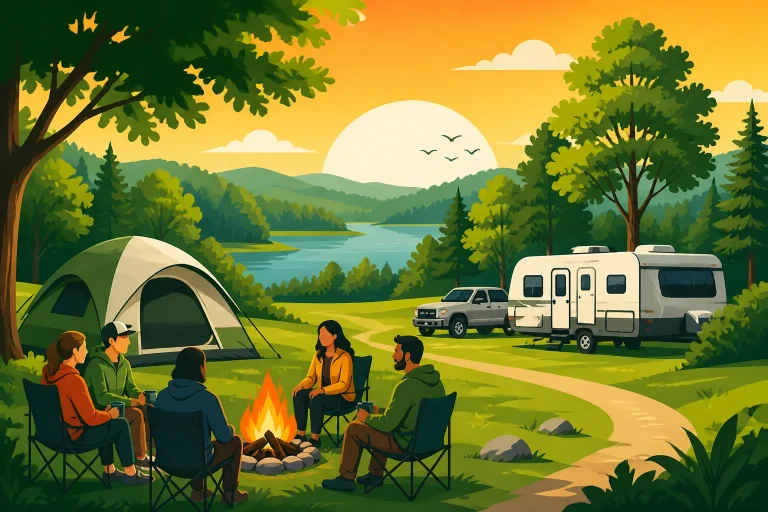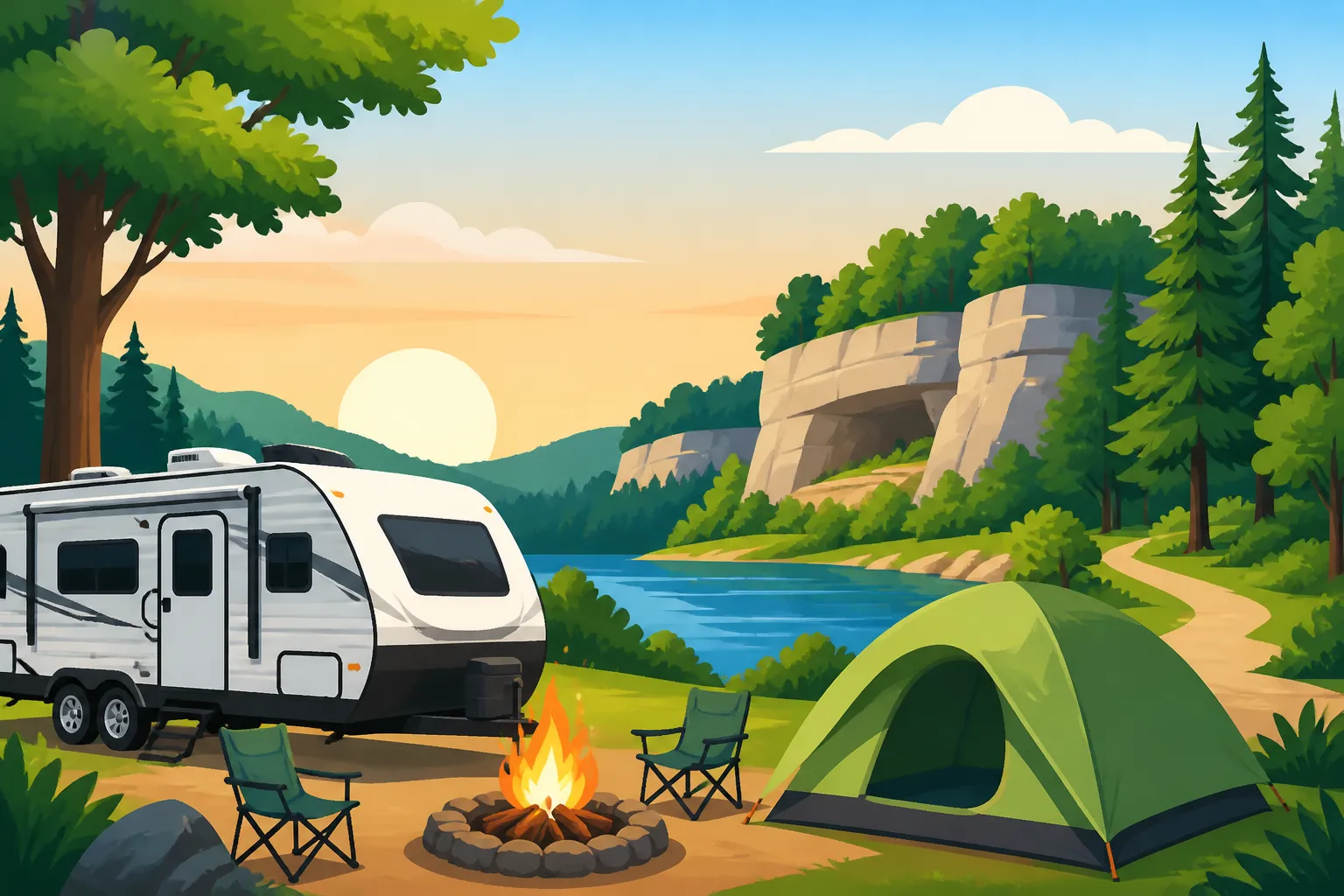
First Camping Trip at an Ohio State Park: What the Weekend Looks Like
A first camping weekend can feel like a long list of unfamiliar decisions: what to book, what to pack, when to arrive, and how to make the site work. Knowing the basic rhythm ahead of time makes the trip easier. Here’s what to expect at an Ohio State Park, from choosing a campsite to packing up and heading home.
Before you leave: choose a trip you can manage
The easiest first trip is one that matches your group, equipment, and appetite for planning. A tent trip and an RV trip share the same broad campground rhythm, but the setup is different. Think about what you already own, how much gear you want to carry, and whether you’d rather cook outdoors or keep meals simple.
Start by deciding what you want the weekend to feel like. If the main goal is time around camp, prioritize a site that suits your equipment and gives you room to settle in. If you expect to spend most of the day on trails or at other park activities, look at the campground’s location and the distance between your site and the places you plan to visit. The park’s official information and campground map can help you compare options; Reading an Ohio State Park Campground Map Before You Book explains what to look for.
It also helps to choose a trip that leaves room for the unexpected. Setting up a tent, finding the right gear, and working out a meal can take longer than you expect when you’re doing it for the first time. A relaxed plan gives you time to get comfortable rather than turning arrival into a race. You don’t need an elaborate menu or a packed activity schedule to have a satisfying weekend.
Before settling on a park, make a short list of what matters most to your group:
- A campsite that fits your tent, trailer, or other camping unit.
- The kind of facilities you want nearby, if any.
- Activities you can reach without spending the whole day in transit.
- A trip length that feels manageable for your group.
- A backup plan if weather changes what you want to do.
Don’t assume that all Ohio State Park campgrounds offer the same site features or services. Details differ, so check the official park and campground information for the place you’re considering. If quiet, shade, or a particular location matters to you, look at the map and site details rather than relying only on a general description. Choosing an Ohio State Park for Camping: Questions to Settle First can help narrow down the options.
Make the packing plan fit the site
A campsite is a place to sleep and organize your gear, but your booking does not mean you can leave every home comfort behind. Think through shelter, bedding, weather layers, food, water, lighting, personal items, and any equipment your group relies on. The exact list depends on whether you’re in a tent, trailer, or another setup.
For tent campers, test the tent and check that its pieces are together before leaving home. Pack bedding and clothing for the conditions you may encounter, not just the warmest part of the day. A small light that’s easy to find after dark can make routine tasks less awkward. For an RV or trailer, confirm that the equipment you expect to use matches the site listing and your setup. If you’re unsure what a listing’s hookup details mean, Finding Hookup Details on an Ohio State Park Campground Page is a useful starting point.
Keep important items together so they don’t disappear among the larger bags. That might include reservation details, directions, medications, toiletries, a small first-aid kit, and the gear you’ll need soon after arrival. Pack items you’ll want immediately somewhere accessible rather than under everything else. It’s frustrating to unload half the vehicle just to find a rain layer or a headlamp.
A first trip is a good reason to keep meals straightforward. Plan food you know how to prepare with the equipment you’re bringing. Include snacks and easy options in case setup takes longer than planned. If you’re counting on a store, restaurant, or other service, verify availability and hours through official information instead of assuming it will be open when you arrive.
Make the reservation and choose the right site
A reservation is required to camp at Ohio State Parks, according to the Ohio Department of Natural Resources. The practical takeaway is to settle your dates and campsite before you leave, then confirm that the reservation details match your plans. Use the official reservation system and check the park’s information for instructions specific to your stay.
When comparing listings, don’t choose on the name of the site type alone. Read the details and consider how your actual equipment will fit. A tent camper may want a different setup from someone towing a trailer. A site that looks suitable in a search result still needs to match your gear, the number of people in your party, and the way you expect to camp.
| What to compare | Why it matters before booking |
|---|---|
| Site type | Helps you check whether the site suits your tent, trailer, or other camping unit. |
| Pad and parking details | Helps you understand how your vehicle and equipment may fit. |
| Hookups | Matters if your camping setup relies on power or other connections. |
| Location on the campground map | Helps you assess distance to facilities and areas you plan to use. |
| Park and campground information | Helps you check which services and amenities are available for your stay. |
For first-time campers, a site that matches your setup is more important than a site that seems perfect in a photo. Think about where you’ll sleep, where you’ll put gear, and whether you can arrange the space without blocking access to your vehicle or making the site awkward to use. If you have a large tent or an unusual setup, look closely at the listing and map before booking. Will an Ohio State Park Campground Have Room for a Big Tent? covers the kind of details worth checking.
If you’re still deciding between a basic campsite and one with hookups, start with your actual needs rather than the idea that more features are always better. A tent camper who doesn’t use electrical equipment may have different priorities from an RV owner who needs a connection. Which Ohio State Park Hookup Level Fits a Tent, Van or Trailer? can help explain the distinctions.
Check the details again before departure
After booking, review the information you’ll need on the road: the park and campground name, your reserved dates, the site details, and any arrival instructions. Save the confirmation where you can access it without a strong signal. If plans change, use the official reservation system and review the current rules rather than assuming a booking can be changed in a particular way.
Look at the campground map before you set out. It can help you understand where your site is in relation to roads, facilities, and places you intend to visit. A map won’t answer every question about the terrain or walking routes, but it can prevent you from arriving without a basic sense of where you’re headed.
Check the forecast close to departure and adjust your clothing, bedding, and rain protection accordingly. Weather can change what feels comfortable at camp, even when the trip remains perfectly workable. Pack for both the conditions you expect and the possibility that they’ll be different. If there are official park notices that could affect your plans, review those as well.
Arrival day: check in, find your site, and settle in
Arrival is often the part of a first trip that feels least familiar. You’ve driven in with your gear, and now you need to locate the right site and turn a vehicle full of equipment into a functioning camp. Give yourself time to do it in an orderly way.
Campground check-in is at 3pm, according to the Ohio Department of Natural Resources. Plan your driving and arrival around that time, and check the park’s official instructions for any details about where to go or what to do when you arrive. Don’t assume that arriving early means you can use your campsite before check-in.
When you reach the campground, follow signs and the official directions for your reservation. Check the site number against your confirmation before unloading. If something doesn’t match, pause and use the park’s official contact information to get help rather than trying to guess which site is yours. Current contact details are best found through the official website.
The Ohio Department of Natural Resources says: Designated areas only. That means a campsite is not interchangeable with any open-looking patch of ground. Stay within your assigned site and follow posted campground directions. If you’re unsure where your site begins or which area you’re permitted to use, check the campground map or ask park staff.
Set up in a sensible order
You don’t need to unload everything at once. Start with the tasks that make the site useful:
- Park and orient your vehicle or camping unit in a way that works with the site.
- Identify where the tent, sleeping area, or other shelter will go.
- Set up the main shelter before unpacking smaller items.
- Keep paths and access points clear as you bring gear out.
- Put food and frequently used items where you can find them.
- Take a quick look around before settling in, especially if weather or light is changing.
For tent campers, it can help to confirm where you want the tent before staking it down or moving all the bedding inside. For an RV or trailer, take your time positioning it and organizing the area around it. If you’re unfamiliar with the site layout, use the official map and listing details as a reference, not a guess.
Once the shelter is ready, organize the space in a way that makes the rest of the stay easier. Keep cooking items together, store clothing where it will stay dry, and have a place for waste and used items. Avoid setting everything out just because there’s room; a simple layout is easier to manage and repack.
Take a few minutes to notice the campground’s posted information and any instructions for your specific area. Rules and services can vary between parks and campgrounds. If a question affects what you’re about to do, ask park staff or consult the official information instead of relying on assumptions or advice from a different campground.
A simple first-evening rhythm
After setup, give yourself a moment to settle before starting dinner or heading out. Check that everyone knows where the important items are, including lights and the supplies you’ll need overnight. If you arrived later than expected or setup took longer, choose the simplest meal in your plan. The first evening doesn’t need to include every activity you had in mind.
You may want to explore a nearby part of the campground while there’s still enough light to orient yourself. Keep it low-key: locate the facilities you expect to use, notice the route back to your site, and read posted information. Don’t treat a quick walk as a substitute for checking official details about park access or activities.
If you plan to have a fire, check the current official park information before leaving home and again when you arrive. Fire restrictions can change, and conditions at your destination may not match what you last heard. Follow the instructions that apply to your campground and use only the locations and equipment the park permits. How Do You Learn One Ohio State Park’s Campfire Rules Before Arriving? offers a practical way to approach that check.
The campsite: what’s provided and what you still bring
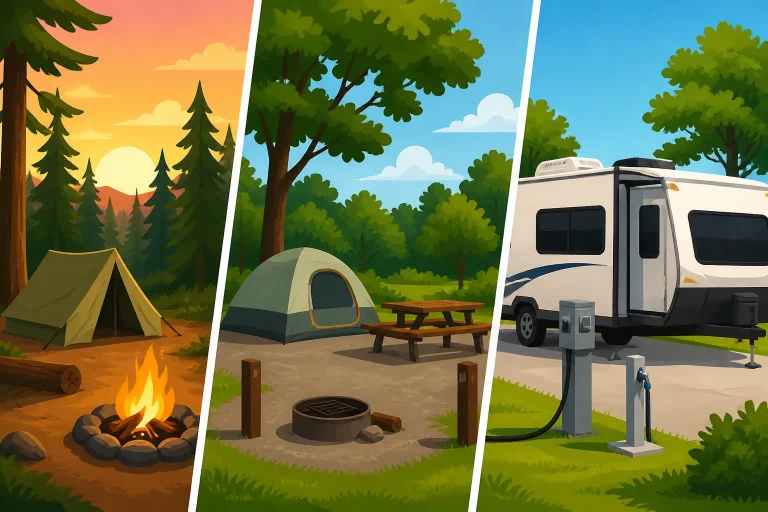
Each Ohio State Park campsite includes a parking pad, a picnic table, and a fire ring, according to the Ohio Department of Natural Resources. Those basics give you a place to park, a surface for meals and activities, and a designated feature for a fire when park conditions and rules permit one.
It’s still worth bringing the items that make those features useful. A picnic table doesn’t replace plates, cooking supplies, or a way to keep food organized. A fire ring doesn’t mean you should assume fires are allowed under every condition. The parking pad doesn’t tell you whether your particular camping unit will fit; check the site details and dimensions before booking if size is a concern.
Think of the campsite as a small outdoor living space. Keep cooking, sleeping, and gear storage as separate as your setup allows. That helps everyone find what they need and makes it easier to keep the sleeping area dry and uncluttered. If you’re camping with children or a group, agree on where everyday items belong so that lights, footwear, and supplies don’t get scattered across the site.
Keep food and waste manageable
Plan where food will go before unpacking it. Use containers that close securely and keep food and cooking supplies organized, rather than leaving items spread across the table. Follow any park-specific directions about food storage and waste. Don’t assume a rule from one campground applies to another; check the official information for the park you’re visiting.
Bring bags or containers to keep waste together until you can dispose of it as directed. Keep the site tidy as you go instead of leaving cleanup for departure morning. A little organization during the stay makes it easier to protect your gear from weather and keep the space usable.
If you’re unsure where something belongs, look for posted instructions or ask park staff. That’s especially useful for waste, recycling, and items that should not be left behind. Recycling at an Ohio State Park Campground and Who to Ask can help you think through the question before you arrive.
Make comfort practical
Comfort comes from matching your expectations to the trip, not from carrying everything you own. Bring clothing that works in layers, bedding suited to the forecast, and a way to stay dry if rain arrives. Keep a change of clothing protected from damp conditions. If the campground has facilities you plan to use, confirm what is available and where it is through official information.
If you’re camping with children, older relatives, or someone with access needs, plan the routes and routines that will matter most. Consider how far you’ll need to walk to facilities or activities, and whether the site’s surface and layout suit your group. The campground map and official site details can help you ask better questions before committing to a reservation.
Don’t overfill the weekend with chores. A campsite can feel comfortable without an elaborate outdoor kitchen or a tightly scheduled plan. A warm drink, a simple meal, and a settled sleeping area may be all you need after the drive. If you want a more detailed gear checklist, Rookie Mistakes at Ohio State Park Campgrounds, and How to Avoid Them is a helpful next read.
The full day: enjoy the park without overplanning
The day between arrival and departure is the part most campers imagine first, but it works best when there’s room to change plans. Decide what your group most wants to do, then leave space for meals, rest, and the return to camp. Check the official park information for activities, access, and any conditions that affect your plans.
If the group wants a walk, choose a route that matches its comfort and ability. If you’re interested in water, a program, or another activity, check current availability and rules through official sources before building the day around it. Don’t assume that an activity is open or available simply because it appears in general park information.
The best schedule may be no more than a few anchors: a meal, an activity, and time back at camp. That leaves room for a slow morning or an unexpected change in weather. If the planned outing doesn’t work, you can still enjoy time at the site, take a shorter walk, or shift to another activity that is actually available.
Keep meals low-stress
Food can become a bigger project than expected when you’re learning how your campsite works. Make breakfast and lunch easy to serve, and choose a dinner you can prepare with your equipment. Before leaving, think through how you’ll keep ingredients organized and how you’ll clean up. Pack enough supplies for the meals you intend to make, but avoid planning a menu that depends on equipment you haven’t tested.
A cooler, stove, or other cooking setup should be packed and used according to its instructions and any park-specific rules. If you’re not sure whether a particular item is permitted, check with the park before using it. Keep food and waste under control throughout the day; don’t leave a messy cooking area for later.
If weather makes outdoor cooking unpleasant, have a backup meal that doesn’t require a complicated setup. A simple alternative can keep dinner from becoming the main event of the trip. For a cabin trip, kitchen equipment is a different question; campsite assumptions don’t necessarily carry over to rentals.
Give the campground its own pace
A campground can be part of the trip, not just a place to sleep between activities. You may find that the group enjoys reading, relaxing at the table, or taking a short walk as much as the main outing. Make the plan flexible enough to include those quieter parts.
Be considerate of other campers while using shared spaces and moving around the campground. Follow posted instructions, keep your area orderly, and ask park staff if you’re uncertain about a rule. Campground rules may include details that are specific to the location, so don’t treat memories of another site as the final word.
For activities after dark, confirm what is allowed and whether you need permission. Don’t assume that an area open during the day can be used at night. Sunrise-to-Sunset Areas at Ohio State Parks: Night Access Rules explains why checking access details matters.
The last morning: pack up and leave the site ready
Departure often takes longer than expected because gear is spread out and damp items need attention. Start with the tasks that prevent a rushed exit: gather personal belongings, check storage areas, and keep a separate spot for items that need to be packed last. If rain has affected the tent or other equipment, organize it so you can handle drying and cleaning later.
Campground check-out is at 1pm, according to the Ohio Department of Natural Resources. Plan to clear your site in time, and review the park’s official instructions for any specific checkout steps. Don’t assume you can remain on the campsite after the stated checkout time because your group is still packing.
Before driving away, walk around the site and look for belongings that are easy to miss. Check the table, ground, shelter, vehicle, and storage areas. Make sure waste and other items are handled as directed by the campground. If you used a fire ring, follow the park’s current instructions for leaving it; don’t rely on a practice from another destination.
Avoid the rushed pack-up
It helps to decide before the final morning what can be packed early. Store unused gear, clear away items that aren’t needed, and keep only the supplies you still need for breakfast and cleanup accessible. Pack sleeping gear after everyone is up, and check the site before loading the last bags.
If the weather is wet, separate damp equipment from dry clothing and bedding as much as possible. Avoid placing wet items where they can soak the rest of your load. If you have time after returning home, unpack and dry equipment rather than leaving it stored damp.
Use the drive home to note what worked and what you would change. Maybe you brought more cooking gear than you used, or wished you had a more accessible light. Those notes make the next trip easier to plan. A first weekend is useful even when it reveals that your group prefers a different site type or a simpler routine.
Make the next trip easier
The biggest lesson from a first campground weekend is usually practical: choose a site that fits, arrive with a manageable plan, and verify details with the official information for that park. You don’t need to master every camping skill before you go. A reservation, a shelter that suits your group, and a few tested essentials are a good foundation.
If something feels confusing before departure, resolve it while you still have time. Check the site listing, campground map, and park information. Ask the park about questions that affect your equipment, access, or plans. An answer from the specific park is more useful than a general assumption about how all campgrounds operate.
For a future weekend, you might try a different site type, choose a park with activities that better suit your group, or bring less gear. Keep what worked and adjust what didn’t. Primitive or Electric for a First Ohio State Park Tent Trip? can help if you’re reconsidering your setup, and Campground Rules at Ohio State Parks: Statewide Basics, Park Extras is a useful reminder to check both general and park-specific instructions.
A successful first trip doesn’t have to be flawless. It means your group knows where it is going, has a place to sleep, and has enough time to enjoy the park without turning every choice into a problem. The more familiar the routine becomes, the easier it is to spend less attention on logistics and more on the reason you went.
Frequently Asked Questions
Do I need a reservation to camp at an Ohio State Park?
Yes. A reservation is required, so check availability and complete the booking through the official reservation system before you leave.
What does a campsite include?
Each Ohio State Park campsite has a parking pad, picnic table, and fire ring. Check the individual site listing for additional details.
Can I camp wherever I find an open spot?
No. Camping is limited to designated areas. Use your assigned campsite and follow the campground’s posted directions.
When should I plan to arrive and leave?
The Ohio Department of Natural Resources lists campground check-in at 3pm and check-out at 1pm. Confirm any site-specific instructions with the park before your trip.
Sources
- Ohio Department of Natural Resources (checked November 23, 2026)
- Ohio Department of Natural Resources — Camping Rules for Ohio State Parks (checked November 23, 2026)
Disclaimer
This article is for general informational purposes only and does not constitute professional advice. Laws, prices and regulations vary by location and change over time. Consult a qualified professional for guidance on your specific situation. Ohio Camping & RV is not a government agency and is not affiliated with any government agency.